Keep Your Backup Power Ready When You Need It Most
Protect your home from outages
Know Your Equipment Before You Begin
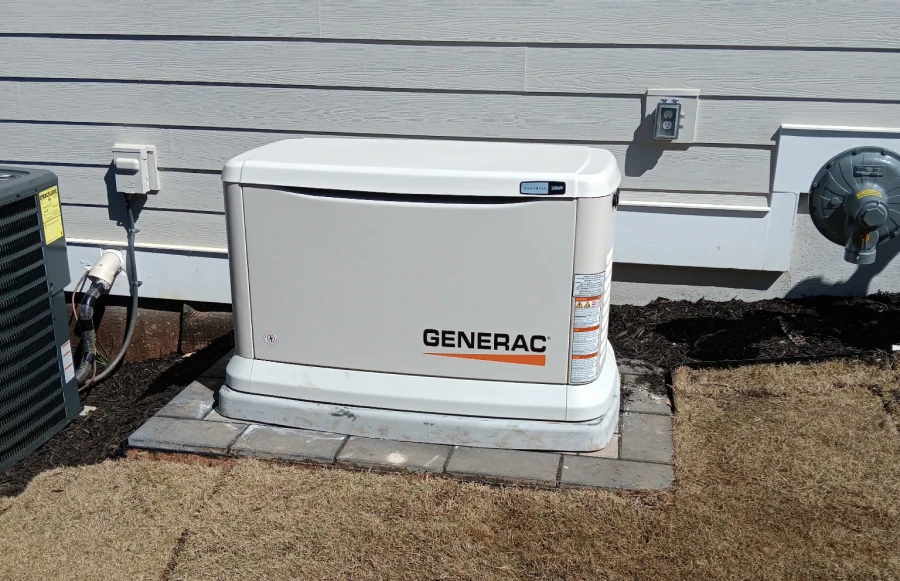
Before performing any maintenance tasks, identify your generator type and locate the manufacturer specifications. Standby generators installed in Snellville typically include natural gas or propane units that activate automatically during power outages. Your owner’s manual contains critical information about maintenance intervals, fuel requirements, and recommended service procedures specific to your model.
Record your generator’s make, model number, and serial number in a safe location for reference during maintenance and service calls. Photograph the nameplate and control panel settings for quick access. Understanding whether you have an air-cooled or liquid-cooled system determines the complexity of your maintenance routine. Air-cooled models require less intensive upkeep, while liquid-cooled systems need additional attention to coolant levels and radiator condition. Review the warranty terms to understand which tasks you can perform yourself without voiding coverage, and which services must be handled by certified technicians.

Maintain Engine Health Through Proper Lubrication
Oil changes represent the most critical maintenance task for keeping your standby generator operational. Most manufacturers recommend changing oil after the first 20 to 30 hours of operation, then every 100 hours or annually, whichever comes first. Georgia’s humid climate can accelerate oil degradation, making regular checks even more important for local installations.
Check oil levels monthly by removing the dipstick, wiping it clean, reinserting it fully, and checking the level against the marked indicators. The oil should appear amber or light brown. Dark, gritty oil indicates the need for immediate replacement. Use only the oil grade specified in your owner’s manual, typically synthetic 5W-30 for most modern units. Replace the oil filter during each oil change to prevent contaminants from circulating through the engine. Position a drain pan beneath the unit, warm the engine briefly to thin the oil for easier drainage, then remove the drain plug and allow complete drainage before refilling to the proper level.

Ensure Clean Fuel Delivery for Reliable Starting
Fuel system integrity directly impacts your generator’s ability to start and run during an outage. For natural gas units common in Snellville installations, inspect visible gas line connections quarterly for corrosion, damage, or loose fittings. Listen for hissing sounds that indicate leaks, and apply soapy water to connections to check for bubbles. If you detect any gas odor or suspect a leak, shut off the fuel supply immediately and contact a qualified technician.
Propane systems require tank level monitoring to ensure adequate fuel reserves. Maintain at least 30 percent tank capacity to provide sufficient pressure for proper operation. During summer storm season, when outages are most likely in our area, verify your fuel supply before severe weather arrives. Check the fuel filter condition every six months, replacing it if you notice discoloration or debris. Examine fuel lines for cracks, weathering, or animal damage, particularly where lines enter the generator housing. Quality maintenance services can identify fuel system issues before they cause startup failures during critical moments.
Verify Automatic Operation and Electrical Safety
Your generator’s automatic transfer switch represents the critical link between utility power and backup generation. Test this system monthly by simulating a power outage. Most units include a test button or switch position that initiates a controlled transfer without actually disconnecting utility power. The generator should start within seconds, warm up briefly, and the transfer switch should engage smoothly.
During testing, listen for unusual sounds like grinding, knocking, or hesitation during startup. Observe the control panel for error codes or warning lights. The unit should reach operating voltage and frequency before the transfer switch engages. After testing, the generator should cool down properly and the system should return to standby mode. Verify that your transfer switch installation includes proper grounding and bonding. Loose connections create resistance that generates heat and potential failure points. If you notice delayed starting, failure to transfer loads, or irregular operation, schedule a professional evaluation to prevent complete system failure during an actual outage.

Recognize the Limits of DIY Maintenance
While regular DIY maintenance extends generator life and ensures reliability, professional inspections remain essential for long-term performance. Schedule annual service with certified technicians who can perform tasks beyond typical homeowner capabilities, including load bank testing, voltage regulation verification, and internal component inspection. These professionals identify developing problems before they cause failures.
Call a qualified technician immediately if you observe persistent error codes, irregular engine sounds, excessive vibration, fuel or oil leaks, or failure to start during testing. Electrical issues, transfer switch problems, and control board malfunctions require specialized diagnostic equipment and training. At Southern Power Expert, LLC, our team provides thorough inspections that complement your routine maintenance efforts, ensuring your backup power system performs reliably when Snellville experiences severe weather or grid disruptions. Professional service also maintains warranty coverage and documents the maintenance history that protects your investment. Attempting repairs beyond your skill level risks personal injury, equipment damage, and voided warranties, making professional partnership a practical necessity for standby generator maintenance.